How to Fix Runny Pudding: A Quick Troubleshooting Guide
October 13, 2026 - Puddings

October 13, 2026 - Puddings
October 11, 2026 - Baking

October 09, 2026 - Seasonal

October 05, 2026 - Desserts
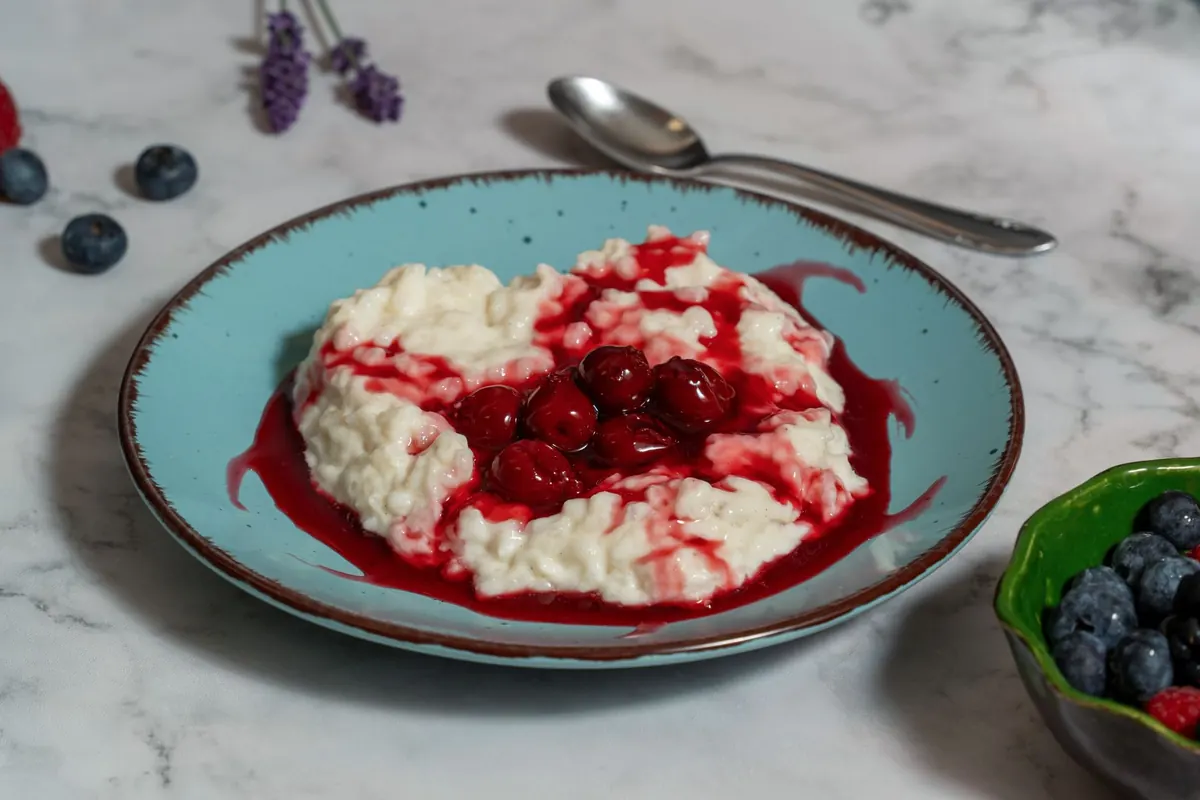
Rice, milk, sugar, and time. That short list turns up in kitchens from Mexico City to Copenhagen, and almost no two pots come out alike. Some versions are stirred on the stovetop until the grains soften into cream; others slide into a low oven and emerge with a browned skin; a few skip dairy entirely and lean on coconut milk. The five below are the ones worth learning first, along with the small decisions — rice type, pot shape, when the sugar goes in — that decide whether you get silk or paste.
A Spanish arroz con leche starts with medium-grain rice, whole milk, a cinnamon stick, a strip of lemon or orange peel, and a pinch of salt. The peel is the tell. It keeps the pudding from tasting flat and one-dimensional. Mexican versions often push further, finishing with sweetened condensed milk, a handful of raisins plumped in warm water, and a dusting of ground cinnamon. Both stay looser than you expect: the rice should still hold its shape when you bite it.
Use roughly one part rice to four parts milk, and keep another cup of warm milk on the counter for the last ten minutes, when the pot tightens fast. Simmer uncovered, stirring often but not constantly, for 30 to 40 minutes. Add the sugar late. Grains soften more evenly when they aren't sitting in syrup from the start.
Both of these get their character from the oven, though they arrive there by different roads.
Butter a wide, shallow baking dish. Add short-grain rice, whole milk, sugar, a knob of butter, and a generous grating of nutmeg, then bake at about 150°C (300°F) for two hours or more. Stir once after the first 30 minutes to knock the grains loose, then leave it alone so a wrinkled, golden skin can form. The dish's width matters more than the exact recipe: a deep pot gives you a pale, thin pudding, while a wide one browns and thickens.
Sütlaç takes the opposite route to a similar destination. It's cooked on the stovetop with a little rice flour or cornstarch for body, poured into individual ramekins, then run under a broiler until the tops blister and darken. You get a cool, creamy base under a spotted, faintly bitter lid — a contrast a baked English pudding can't match.
Across India, Pakistan, Nepal, and Bangladesh, kheer means rice cooked down in milk until the mixture coats a spoon. Cardamom, saffron, slivered almonds, pistachios, and sometimes a few drops of rose water go in near the end. In Kerala, the same idea shows up as payasam, occasionally made with vermicelli instead of rice.
The technique is mostly about the pot. Use a heavy one, wider than you think necessary, and keep a silicone spatula moving along the bottom and up the sides, because milk solids catch there first and scorch quietly. Full-fat milk reduces to something closer to cream; skim never quite gets there. Expect the pudding to look thinner than you want while it's hot — it firms considerably as it cools.
Throughout Thailand, Malaysia, and Indonesia, black glutinous rice is simmered in water until tender, then finished with coconut milk and palm sugar. It's served warm or at room temperature with a spoonful of salted coconut cream poured over the top. That pinch of salt is not optional. Without it, the whole bowl tastes sugary and flat.
Coconut milk is less forgiving than dairy. Boil it hard and it separates into oil and grainy solids. Keep the pot at a bare simmer, stir gently, and add most of the coconut milk in the final ten minutes. If black glutinous rice is hard to find, white glutinous rice works fine — you lose the color, not the chew.
In Denmark and Norway, rice porridge is a winter staple: short-grain rice, whole milk, salt, and a long, low simmer, served with cinnamon sugar and a slick of melted butter in the middle. It's barely sweet, closer to a savory breakfast than a dessert, which is exactly why it works as a base for other things.
The leftovers are the real prize. Chilled and folded with whipped cream, vanilla, and chopped almonds, it becomes risalamande, the Christmas Eve dessert. One whole almond is hidden in the bowl, and whoever finds it gets a small prize, usually chocolate. Warm cherry sauce goes on top, and its tartness cuts the cream. Make more porridge than you need, on purpose.
Recipes vary widely, but the variables that matter are consistent:
Photo: Gundula Vogel / Pexels
Runny pudding is usually fixable. Here's how to diagnose the problem, cook it thicker, add the right thickener, and...
Stovetop stirring gives you silky, spoonable pudding; a baked water bath gives you a clean, sliceable set. Here's...
October 13, 2026 - Puddings
October 11, 2026 - Baking
October 09, 2026 - Seasonal
Copyright © 2026 Modern Pudding. All Right Reserved.