How to Fix Runny Pudding: A Quick Troubleshooting Guide
October 13, 2026 - Puddings

October 13, 2026 - Puddings
October 11, 2026 - Baking

October 09, 2026 - Seasonal

October 05, 2026 - Desserts
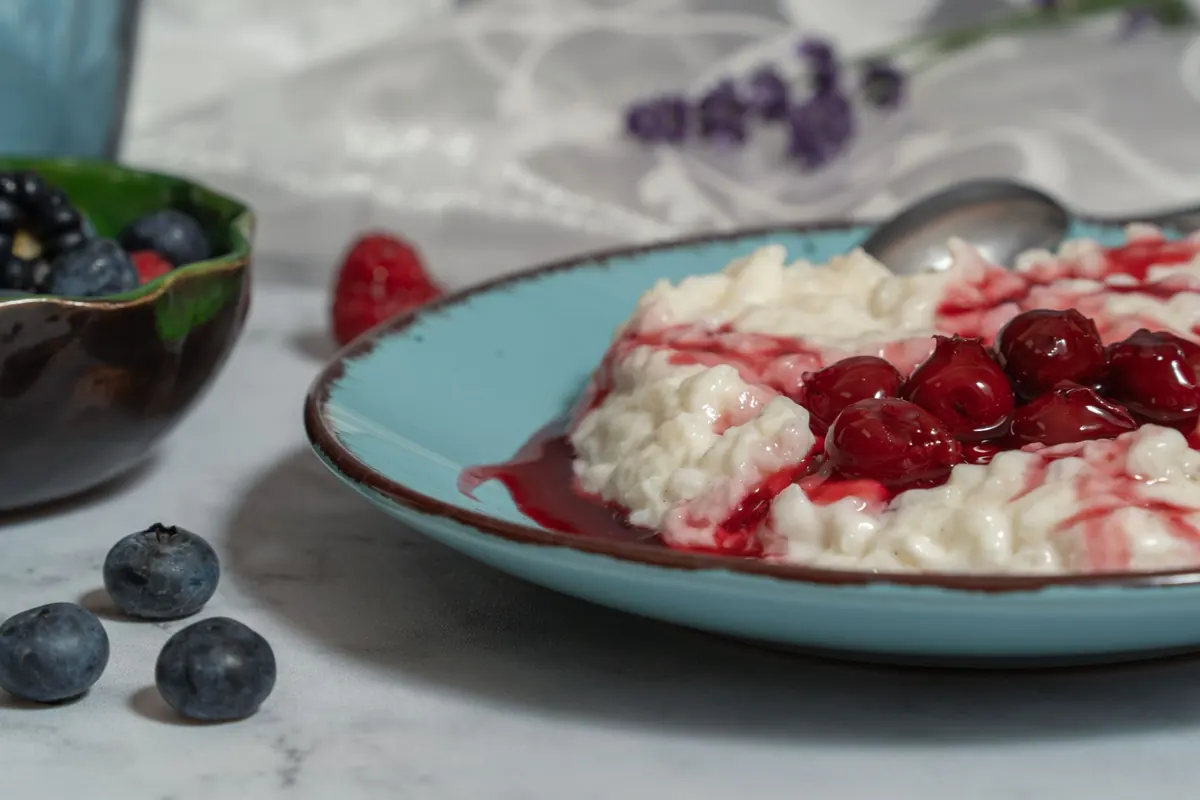
Summer pudding belongs to the small group of desserts that look far harder than they are. There is no custard to temper, no oven to watch, no pastry to roll. You soften bread in berry juice, pack it into a bowl with fruit, weigh it down, and wait. The waiting is the whole trick. Made with fresh raspberries and blueberries, the result is sharp, deep pink and heavy in the best way — a slice of late July on a plate. This version cooks part of the fruit to build enough juice for the bread, then folds in the rest raw so nothing collapses into jam.
Three things carry the whole dessert: the bread, the juice and the weight.
The bread is both sponge and structure. It has to be firm enough to hold a wall when wet, which is why a day-old white sandwich loaf is the right choice and a fresh brioche is not — it will dissolve into paste. Sourdough is too chewy and wholemeal turns the whole thing gritty. Cut the crusts off, but keep them; they make an excellent base layer if your bowl is wide and shallow.
The juice does two jobs: it flavours the bread and it sets the shape. Too little and you get dry, pale patches. Too much and the pudding slumps when you turn it out. Aim for fruit that is glossy and sitting in a shallow pool of syrup, not floating.
The weight is what turns a pile of soaked bread into a sliceable pudding. Something flat that fits inside the rim of your bowl, plus a kilogram or so of tins, pressing for at least eight hours. Overnight is better.
You will also need a 1.2-litre (2-pint) pudding basin or a 20 x 10 cm loaf tin, plus cling film if your basin is not non-stick.
Put the blueberries and strawberries in a saucepan with the sugar, lemon juice and water. Warm them over a low heat for four to five minutes, stirring gently, until the sugar dissolves and the blueberries start to split and bleed purple. Do not boil them hard; you want soft fruit, not a compote.
Take the pan off the heat, stir in half the raspberries and let them collapse in the residual warmth. Leave the remaining raspberries to one side. Tip the cooked fruit into a sieve set over a bowl and let it drain for ten minutes, then taste the juice. It should be a little sharper and sweeter than you want the finished pudding to be, because the bread will mute everything it touches. Add lemon or sugar now, not later.
Let the juice cool until it is warm rather than hot, around ten minutes. Hot juice soaks bread too fast and you lose control of the texture.
Dip one slice of bread into the juice for two seconds a side — a quick pass, not a soak — and press it into the base of the bowl. Work around the sides the same way, overlapping the slices by about a centimetre so there are no gaps. Push them right up to the rim. If the bowl is round, cut a triangle from a spare slice to fill the last awkward gap rather than squashing two pieces together.
If you are using a plain metal or ceramic bowl and want a guaranteed clean unmould, line it with cling film first and line the cling film with bread. It feels fussy. It works.
Turn the pudding out onto a plate with a rim — there will be juice — and spoon the reserved juice over the top just before it goes to the table. A jug of cold double cream is the classic pairing; crème fraîche cuts the sweetness a little better, and thick Greek yogurt makes it feel like a reasonable breakfast. Vanilla ice cream works, but serve it on the side so it does not melt into the slices.
Cut with a serrated knife and wipe the blade between slices for clean edges. The pudding keeps, covered, in the fridge for two or three days, and it genuinely improves on day two as the bread takes on more colour. Any leftover slice is good with yogurt and a spoonful of the reserved juice, which is a better argument for making it a day ahead than any instruction in this recipe.
Photo: Gundula Vogel / Pexels
Runny pudding is usually fixable. Here's how to diagnose the problem, cook it thicker, add the right thickener, and...
Stovetop stirring gives you silky, spoonable pudding; a baked water bath gives you a clean, sliceable set. Here's...
October 13, 2026 - Puddings
October 11, 2026 - Baking
October 09, 2026 - Seasonal
Copyright © 2026 Modern Pudding. All Right Reserved.